
Your Gut Health Is About More Than What You Eat
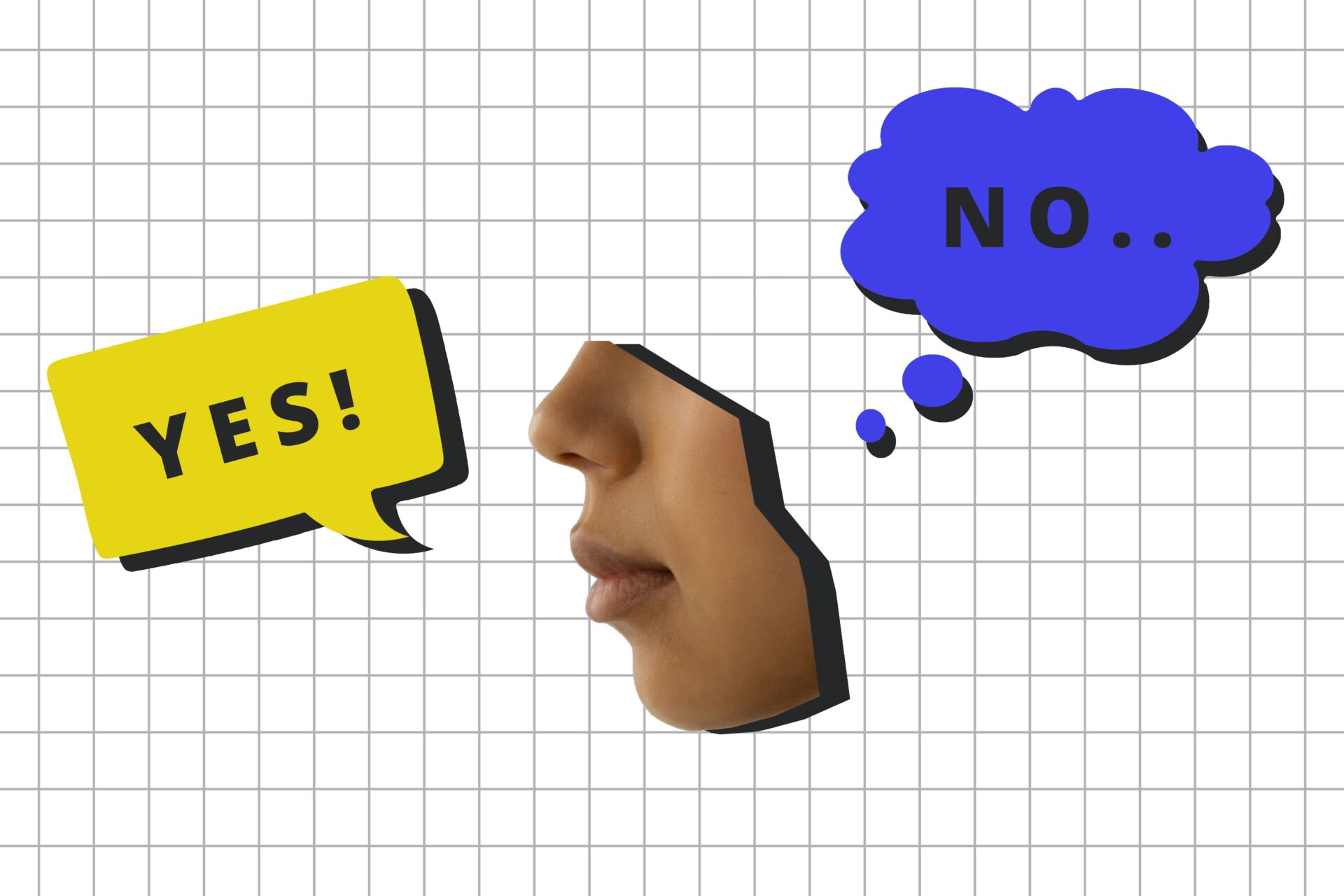
When we think about improving gut health, we often focus on nutrition, supplements, and digestive protocols. But there is another important piece of the wellness puzzle that is easy to overlook: the boundaries we set in our everyday lives. Constantly saying yes when you want to say no, taking on other people’s stress, skipping meals to meet deadlines, or sacrificing sleep to accommodate everyone else can leave you feeling depleted. Over time, chronic stress may influence digestion, gut motility, appetite, and the gut-brain connection. At Well Humans, we recognize that supporting your gut means looking beyond your plate and considering the environments, relationships, and routines that shape your health. As a concierge functional medicine health coach, we help you explore how your daily patterns may be affecting your overall well-being.
Signs your boundaries may need attention include:
- Frequently feeling overwhelmed or emotionally drained
- Skipping meals because other demands take priority
- Having difficulty making time for rest and recovery
- Feeling anxious or tense around certain relationships or situations
- Saying yes when your body is asking for a break
- Consistently putting your needs last
- Finding it difficult to maintain healthy routines
The Connection Between Boundaries, Stress, and Digestion
Your nervous system and digestive system are closely connected. When you experience ongoing stress, your body may spend more time in a heightened state of alertness, which can affect digestive processes such as motility, appetite, and abdominal sensitivity. Boundaries can help reduce avoidable stress and create more opportunities for rest, nourishment, and restoration. This doesn’t mean that setting boundaries will resolve every digestive concern, but it can be a meaningful part of a broader approach to gut health. A trauma-informed perspective recognizes that boundaries can feel difficult, especially if you have learned to prioritize other people’s needs to feel safe, accepted, or connected.
Healthy boundaries can create space for:
- Eating meals without rushing or multitasking
- Protecting time for adequate sleep
- Saying no to commitments that consistently overwhelm you
- Making room for movement and restorative activities
- Reducing unnecessary emotional and mental demands
- Creating routines that support consistency
- Recognizing when you need support instead of pushing through
Learning to Put Your Health on Your Priority List
Setting boundaries is not selfish; it is one way to recognize that your well-being matters. It can begin with small, realistic changes rather than dramatic life adjustments. You might protect your lunch break, turn off work notifications in the evening, communicate your needs more clearly, or make time for activities that help you feel grounded. At Well Humans, we understand that changing long-standing patterns takes patience. We don’t approach wellness with judgment or rigid expectations. Instead, we help you identify what is getting in the way of your health goals and develop sustainable strategies that respect your personal history, capacity, and needs.
Start with small, supportive boundaries:
- Schedule protected time for meals and avoid routinely working through them.
- Create a consistent bedtime routine.
- Practice pausing before agreeing to new commitments.
- Communicate your needs clearly and respectfully.
- Make space for activities that help you feel restored.
- Limit exposure to situations that repeatedly leave you feeling depleted when possible.
- Allow yourself to ask for help and receive support.
A Whole-Person Approach to Uncovering the Root Cause of Chronic Symptoms
Working with a functional practitioner at Well Humans means recognizing that gut health is influenced by many interconnected factors. Nutrition, digestive function, sleep, stress, movement, relationships, and nervous-system regulation can all contribute to your overall health. We take time to understand your individual story and explore opportunities to uncover the root cause of chronic symptoms without assuming that every concern has one simple explanation. Through personalized coaching, functional health insights when appropriate, and compassionate accountability, we help you build a wellness strategy that supports both your physical and emotional well-being.
Your personalized approach may include:
- Exploring lifestyle patterns that may contribute to ongoing stress
- Supporting digestive health through individualized nutrition guidance
- Building sustainable routines around meals, movement, and sleep
- Incorporating nervous-system regulation practices
- Identifying boundaries that protect your time and energy
- Considering functional testing when appropriate
- Creating realistic goals with ongoing support and accountability
At Well Humans, we believe that caring for your gut also means caring for the person who lives in your body. You deserve routines that nourish you, relationships that respect your needs, and a lifestyle that makes room for your health. Sometimes supporting your gut begins with a simple but powerful decision: giving yourself permission to make your well-being a priority.