 When Stress Becomes a Physical Experience
 When Stress Becomes a Physical Experience
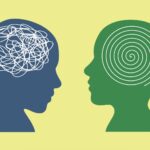
Your nervous system is designed to protect you. When it perceives danger, the body can shift into a fight-or-flight response, increasing alertness and preparing you to respond. This is an important survival mechanism—but when the stress response remains activated for too long, it can affect digestion, sleep, muscle tension, energy, and other aspects of physical well-being. At Well Humans, our trauma-informed functional medicine health coach and functional practitioner look at the whole person, recognizing that physical symptoms can have many contributing factors. Our approach is about creating greater awareness, safety, and support—not blaming your symptoms on stress or trauma.
Signs your nervous system may need more support can include:
- Digestive discomfort or changes in bowel habits
- Difficulty relaxing or feeling constantly “on”
- Muscle tension, headaches, or jaw clenching
- Sleep difficulties or waking feeling unrested
- Fatigue, irritability, or difficulty concentrating
The Gut-Brain Connection
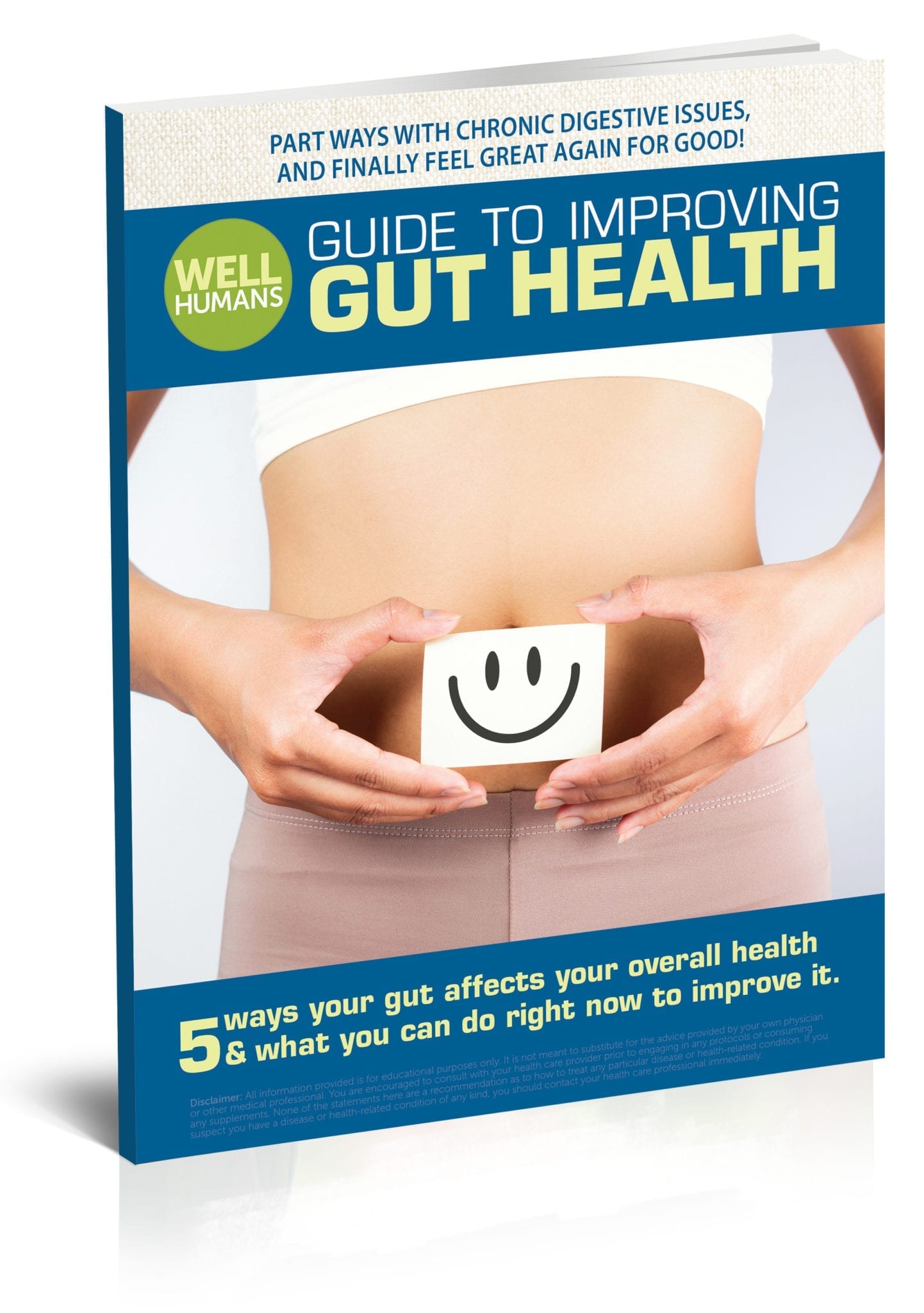
Your digestive system and nervous system communicate continuously through the gut-brain axis. When you’re under prolonged stress, your body may prioritize immediate survival functions over processes such as digestion and restoration. This can influence gut motility, digestive secretions, appetite, and how you experience sensations in your body. Calming the nervous system for healing can therefore be an important component of a comprehensive wellness plan—alongside nutrition, movement, sleep, and appropriate functional health evaluation.
Supporting the gut-brain connection may involve:
- Creating consistent, nourishing meal routines
- Practicing slower, more mindful eating
- Prioritizing restorative sleep
- Incorporating gentle movement and time outdoors
- Building daily practices that encourage relaxation and regulation
Calming the Nervous System for Healing
At Well Humans, we recognize that nervous-system support is highly individual. For someone with a history of trauma or chronic stress, simply being told to “relax” can feel dismissive. Instead, our concierge approach focuses on practical, compassionate strategies that help you develop a greater sense of regulation over time. As your functional medicine health coach and functional practitioner, we consider your symptoms, lifestyle, nutrition, stressors, and health history to create a plan that feels supportive rather than overwhelming.
Your personalized approach may include:
- Gentle nervous-system regulation practices
- Breathwork, mindfulness, or grounding techniques
- Nutrition and lifestyle strategies that support resilience
- Sleep and recovery coaching
- Functional health assessment when appropriate
- Ongoing one-on-one support and accountability
A Trauma-Informed Path Toward Whole-Body Wellness
Healing doesn’t require you to fight your body or force yourself to feel better. It begins with understanding what your body may be communicating and creating conditions that support restoration. At Well Humans, our trauma-informed functional medicine health coach and functional practitioner take a compassionate, whole-person approach to wellness. We recognize that symptoms deserve thoughtful evaluation and that nervous-system regulation can be one meaningful piece of the bigger picture.
Our concierge approach helps you:
- Understand the connection between stress, the nervous system, and physical symptoms
- Develop sustainable practices for calming the nervous system for healing
- Explore nutritional, digestive, and lifestyle contributors to your symptoms
- Build greater awareness of your body’s signals
- Create a personalized foundation for long-term health and resilience
At Well Humans, we believe your body is not working against you. It is constantly communicating, adapting, and attempting to protect you. With the right support, you can learn to listen to those signals, create greater regulation, and build a healthier relationship with your body—one compassionate step at a time.