
 Can Complex Trauma Get Stuck in Your Gut?
 Can Complex Trauma Get Stuck in Your Gut?
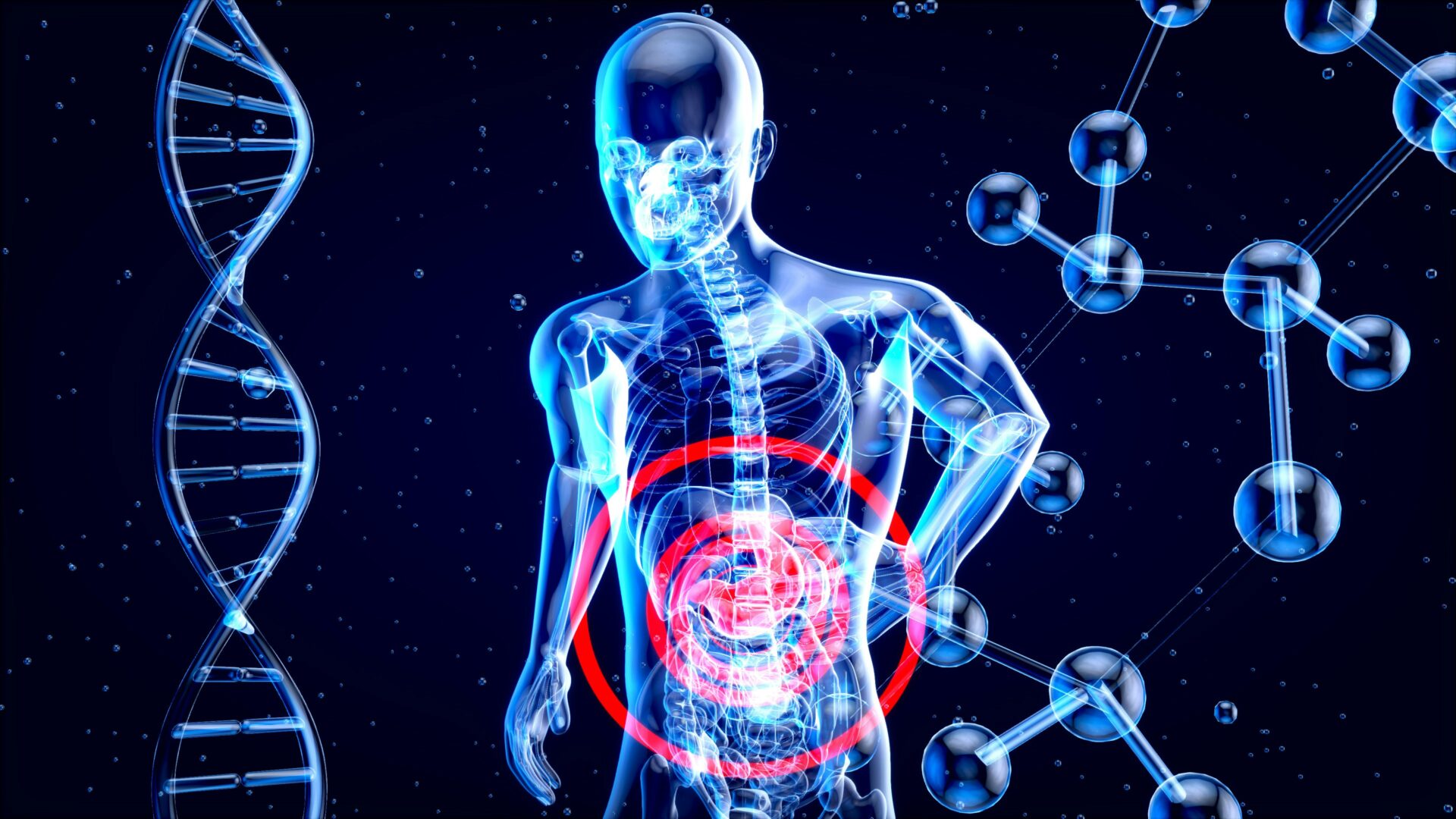
Have you ever noticed that your digestive symptoms become worse when you feel overwhelmed, anxious, emotionally unsafe, or under pressure? There is a reason the gut is sometimes described as a place where we “feel” our emotions. Your digestive system and nervous system are in constant communication through the gut-brain connection. Complex trauma and prolonged stress can influence this communication, potentially affecting digestion, gut motility, appetite, and sensitivity to abdominal sensations. While trauma is not literally stored in the gut, the body can develop lasting stress-response patterns that influence how you feel physically. At Well Humans, we understand that chronic digestive symptoms deserve a compassionate, whole-person approach. As a concierge functional medicine health coach, we look beyond what you eat to explore the many factors that may be influencing your digestive health.
Physical patterns that may accompany prolonged stress or trauma include:
- Bloating, abdominal discomfort, or changes in bowel habits
- Constipation or diarrhea that fluctuates with stress
- Increased sensitivity to digestive sensations
- Changes in appetite or eating patterns
- Nausea or stomach discomfort during emotionally difficult situations
- Difficulty relaxing, sleeping, or feeling physically settled
- Digestive symptoms that seem to flare during periods of overwhelm
How Complex Trauma Can Influence the Gut-Brain Connection
When someone experiences repeated or prolonged stress, the nervous system may become more reactive to perceived threats. This can influence the body’s stress-response systems and the way the brain communicates with the gastrointestinal tract. For some people, these changes may contribute to altered gut motility, increased visceral sensitivity, or changes in digestive function. Trauma can also affect sleep, food choices, daily routines, and the ability to recognize or respond to the body’s needs. Importantly, this does not mean digestive symptoms are imaginary or that trauma is the only explanation. It means that understanding the relationship between emotional experiences, nervous-system responses, and physical health may be an important part of understanding your symptoms.
The gut-brain connection may be influenced by:
- Ongoing activation of the body’s stress-response systems
- Changes in digestive motility and bowel patterns
- Increased sensitivity to normal digestive sensations
- Disrupted sleep and daily rhythms
- Eating patterns shaped by stress or emotional overwhelm
- Changes in the way the body responds to perceived threats
- Interactions between the nervous system, immune system, and gut microbiome
Supporting Your Gut by Helping Your Nervous System Feel Safer
Healing is not about forcing yourself to relax, ignoring difficult experiences, or expecting your digestive symptoms to disappear simply because you practice deep breathing. A trauma-informed approach recognizes that feeling safe and regulated can take time, especially when protective patterns have developed over many years. At Well Humans, we believe that supporting gut health means respecting the connection between the mind and body while addressing physical health concerns with care. Learning to recognize stress signals, creating predictable routines, nourishing yourself consistently, and working with an appropriately qualified mental health professional when needed can all be valuable parts of a broader wellness plan.
Gentle ways to support nervous-system regulation include:
- Practicing slow, comfortable breathing without forcing or straining
- Creating calming rituals before meals
- Eating in an environment where you feel comfortable and unhurried
- Incorporating gentle movement, walking, or restorative yoga
- Establishing consistent sleep and wake routines
- Setting boundaries around situations that repeatedly overwhelm you
- Exploring trauma-informed therapy or other appropriate emotional support
- Making gradual changes that respect your individual capacity
A Personalized Approach to Understanding Chronic Gut Symptoms
Working with a functional practitioner at Well Humans means having the opportunity to explore your digestive health through a personalized, trauma-informed lens. We consider your health history, nutrition, lifestyle, stress patterns, digestive symptoms, and overall wellness rather than focusing on one isolated issue. Our goal is to help you uncover the root cause of chronic symptoms by identifying potential contributing factors and determining which areas may benefit from further evaluation or support. Functional testing may be considered when appropriate, but test results are never a substitute for a complete clinical assessment. Persistent digestive symptoms deserve proper medical evaluation, and trauma-informed wellness support can complement that care.
Your individualized wellness approach may include:
- Exploring the relationship between stress, trauma history, and digestive patterns
- Reviewing nutrition and potential food-related triggers
- Supporting regular digestion and healthy bowel habits
- Considering gut microbiome and digestive testing when appropriate
- Developing sustainable sleep and lifestyle routines
- Incorporating nervous-system regulation strategies
- Coordinating with medical or mental health professionals when needed
- Receiving personalized coaching and accountability along the way
At Well Humans, we believe your body is not working against you. Your symptoms deserve to be heard, your experiences deserve to be respected, and your health journey should never be approached with blame. Complex trauma can influence how your body responds to stress, including how your gut functions, but it does not define your future health. With compassionate support and an individualized approach, you can begin understanding your body’s signals and building a foundation for greater digestive and overall well-being.